How I work
Your list of jobs, built one at a time.
Most organisations already have plenty of software. What's missing is someone who learns how the place runs, works out what's possible and builds it, one job after another.
I've worked with nonprofits for 17 years, and I work with businesses too.
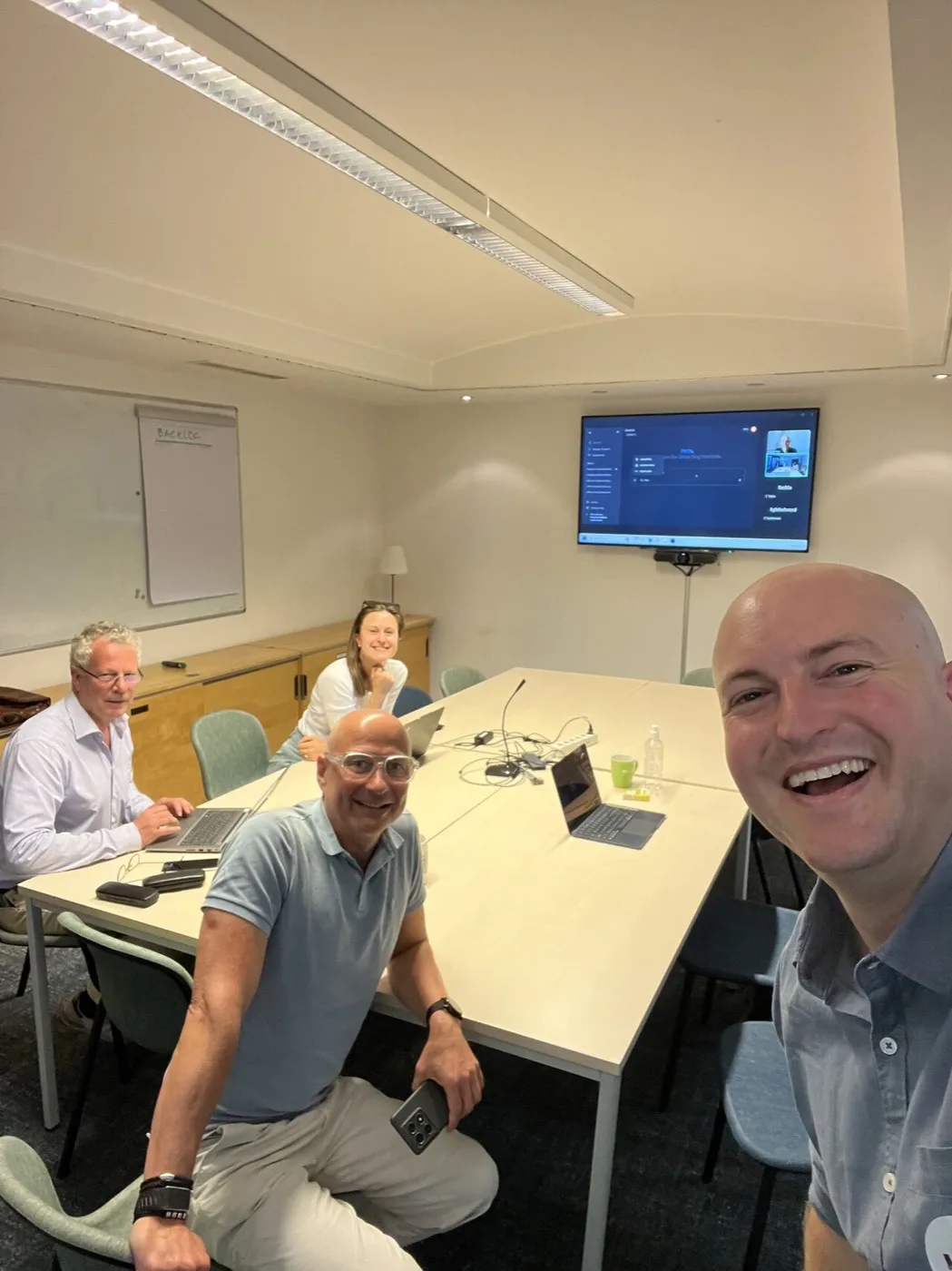
Organisations I've worked with
What you end up with
Something your team can use
A job can be a tool, an automation, a report or a training session. Tools can pass information between your systems, answer questions or draft work for a person to check. Anything I build runs in accounts you own.
People who can run it
Training on what I build is included, so your team keeps using it and can change it themselves.
You know where your data goes
Before I build anything, I check where your data will go and what's exposed. Security is checked in everything I make.
Changes and fixes included
Your team tries each job in daily work and tells me what needs changing. Those changes and fixes are part of the job.
One person to deal with
I do the work myself. You deal with me from the first chat to the last fix.
What changes for the team
In their busiest month, one team was still working at 10pm. Once their systems shared information automatically, they were knocking off at 5.
Which of these does your team still do by hand?
They're the jobs that get put off, done late, or done by whoever stays back.
What does one repetitive job cost your team?
Use your own figures. Nothing is saved or sent.
Estimated annual value of staff time spent on this job
$32,400 a year
720 hours over 48 working weeks, for this one job. What you save depends on how much of the work a tool removes.
How each job gets built
A chat
We say hello. You tell me a bit about who you are and the challenges you're facing.
The first job and its price
What the job involves and a fixed price, before anything starts.
A first working version
I work quickly. After I've talked to the people who do the job, you get a prototype within days, and we improve it from there.
Use it and improve it
Your team tries it in daily work and tells me what needs changing.
The next job
Once this one is finished and in use, I start the next job you choose.
What it costs
It depends on the job, so I don't publish a price list. You get a fixed price in writing before anything starts, and you choose the order of the jobs.
Nonprofits and charities
20% off.
You own it
Your system and your data belong to you, and if you stop, you keep everything built for you. I can reuse general-purpose code in other projects, never your data or anything specific to your business.
Running costs
Hosting, AI provider fees and any software subscriptions are passed on at cost, with no markup, and you see them before they're added.
The list doesn't have to keep growing. When the jobs that matter are done, you can stop and keep what you have.
Five ways to get this work done
A few years ago, tools like these needed a development team. Now one person who learns how your organisation runs can build a working version in days. When a team has more work than hours, there are four usual choices. The fifth is how I work.
Questions
What counts as a job?
A defined piece of work that ends with your team using something new: a tool, an automation, a report or a training session. Big requests get broken into smaller pieces so you see progress quickly.
How long does a build take?
Small ones take days. Bigger systems take a few weeks and go live in stages, so your team can use each part as it's ready.
Will this replace our staff?
No. Good systems help people do better work. AI, automations and system improvements take away the time-consuming, draining tasks. That helps reduce burnout, makes work more enjoyable and often frees people for more meaningful work.
What happens to our data?
I check where it goes before I build anything. Sensitive information can stay on Australian servers or on hardware you own.
Will AI send things to our customers on its own?
Only if you want it to. By default, AI drafts and a person approves anything that reaches a customer or costs money.
Can someone else take over if you're unavailable?
Yes. Everything I build lives in accounts you own, with written notes on how it works, so another developer could pick it up.
Do you only work with nonprofits?
No. I work with businesses and nonprofits. Both bring me the same problems: too much admin, systems that don't share information, and software that doesn't quite do the job.
Can we meet in person?
Yes. I travel to Port Macquarie and up to Coffs Harbour on selected days each month. Email me to arrange a time. Everywhere else, we meet by video.
Looking for a workshop or talk? See speaking and workshops.

What's the job your team hates most?
Book a 15-minute video chat to say hello. Tell me a bit about who you are and the challenges you're facing.
Prefer to write? Send me the job in one line and I'll tell you if it's the kind of thing I can help with.